Skip to content
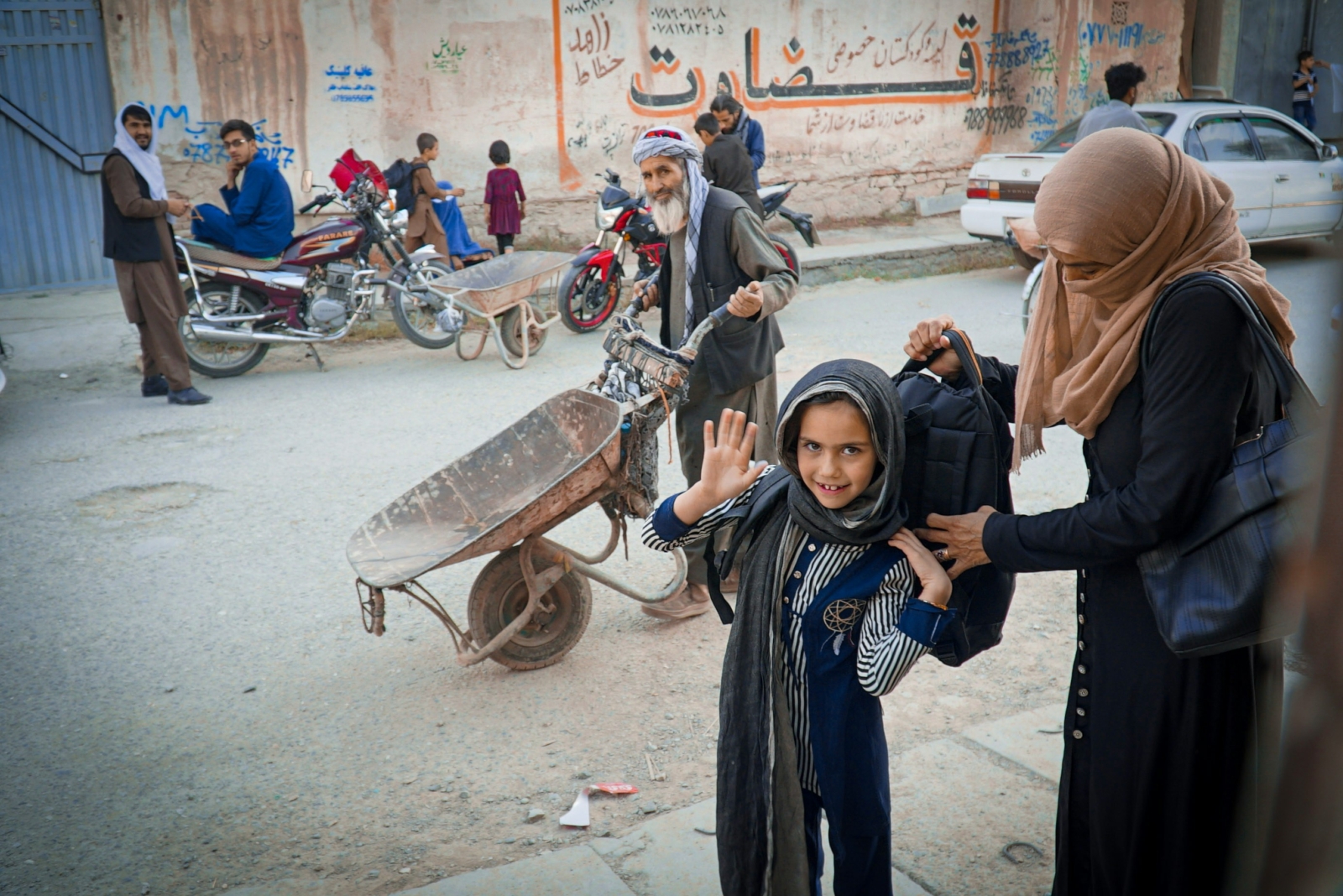
A young Afghan girl waves at the camera as her mum helps her put on a black backpack on a busy street.
Project Name
Afghan Radio
Predominant religion
Sunni Islam
Broadcast languages
Dari
Types of audio media
Shortwave and medium wave radio
Why it’s hard to reach
Muslim majority country, persecution of Christians, lack of local believers

What we’re doing in Afghanistan

Afghan Radio longs to see vibrant communities of Jesus followers emerge across Afghanistan. In a nation where the Taliban government enforces an extreme interpretation of Islam and Islamic law, many people are oppressed – especially women and girls, who have lost access to education, work, and public life. Widespread poverty means many families are struggling, yet in the midst of it, many are searching for hope and God is at work.

Afghan Radio is broadcasting Christan programmes inside the major regions of Afghanistan, as well as uploading their content online for the Afghan diaspora around the world to listen to.

They have a phone number they use for follow-up, so listeners can contact them and the team also disciple and train Afghan believers, many of whom are afraid of being exposed by the local community and government.

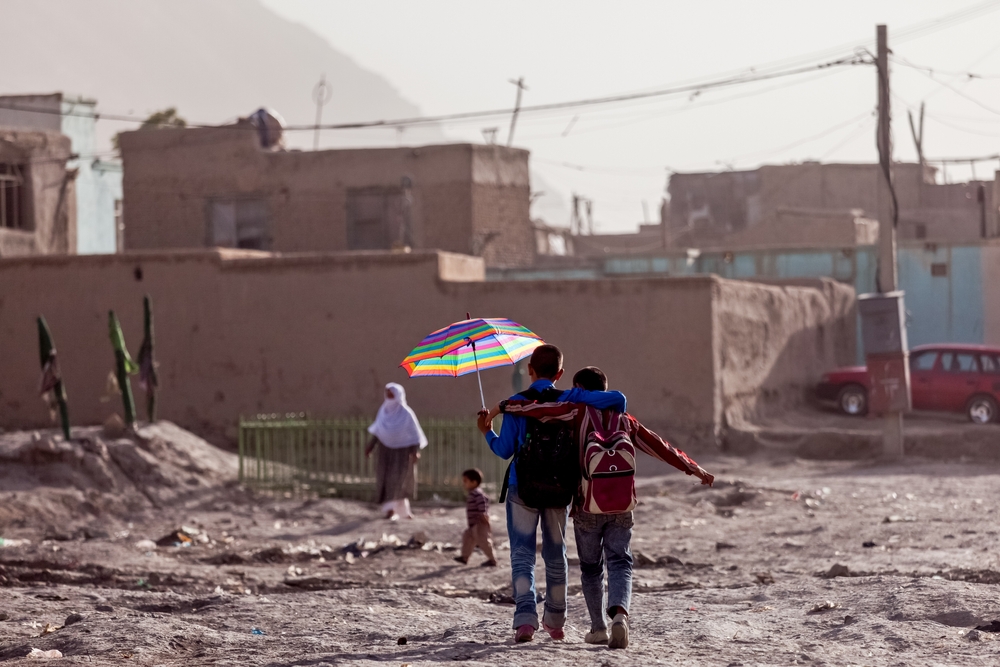
Two boys walk away from the camera with their arms around each other. One is holding a rainbow umbrella to shield himself from the sun. The ground is arid and dusty and there are flat roofed buildings in the distance.
Project Name
The Panamanian Project
Predominant religion
Sunni Islam
Broadcast languages
Unable to share due to security risks
Types of audio media
Medium wave and shortwave radio, social media
Why it’s hard to reach
Muslim majority country, persecution of Christians, lack of local believers, political instability

What we’re doing in Central Asia 

The Panamanian project serves a Central Asian tribal group made up of approximately 36 million native speakers who live in this region. To be part of this tribe is to be Muslim and there are very few known believers.

Following Jesus in this region comes at a high cost. Under strict Islamic rule, and amid growing political instability and worsening economic hardship, many face daily uncertainty—over half the population lives below the poverty line.

Through the power of radio, the Panamanian team are broadcasting into people’s homes  – sharing the gospel in clear, sensitive, and culturally appropriate ways. Each programme invites listeners to take the next step by calling a phone number to speak with the project’s dedicated follow-up team, opening doors of opportunity to build relationships are share more about Jesus.

Mariam’s story

Mariam* called the Panamanian follow-up team to share how much she loves their radio programmes. Every night she listens to the broadcasts with her daughters who don’t have access to any education, explaining “We learn a lot from your programmes. May God bless you for all you do.” Mariam also asked for prayer for her sick husband, and the team were able to pray with her and share about Jesus.
Mariam went on to say that wherever she goes she tells others to tune in to the programmes, and many have begun listening because of her!

*Name changed for security reasons

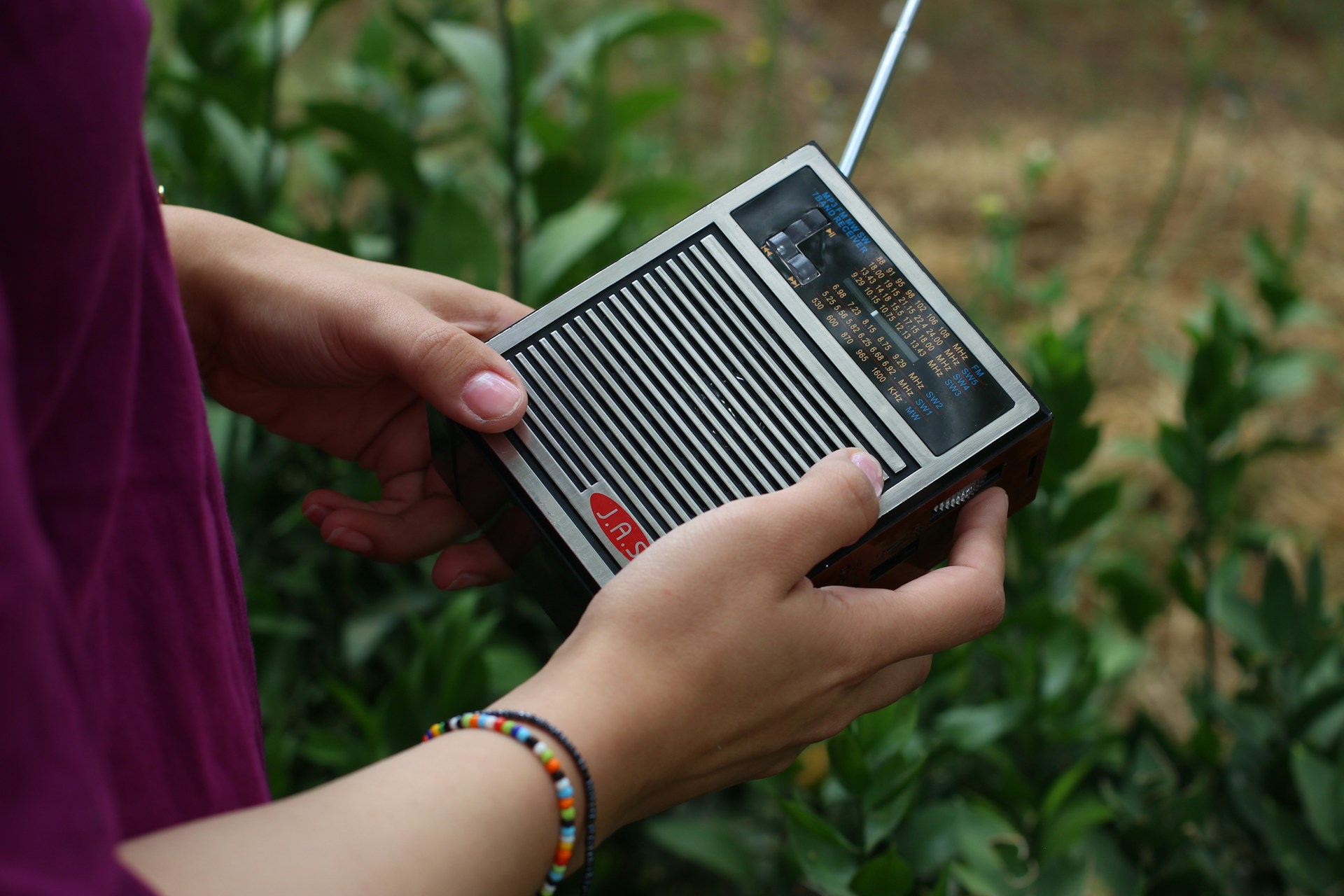
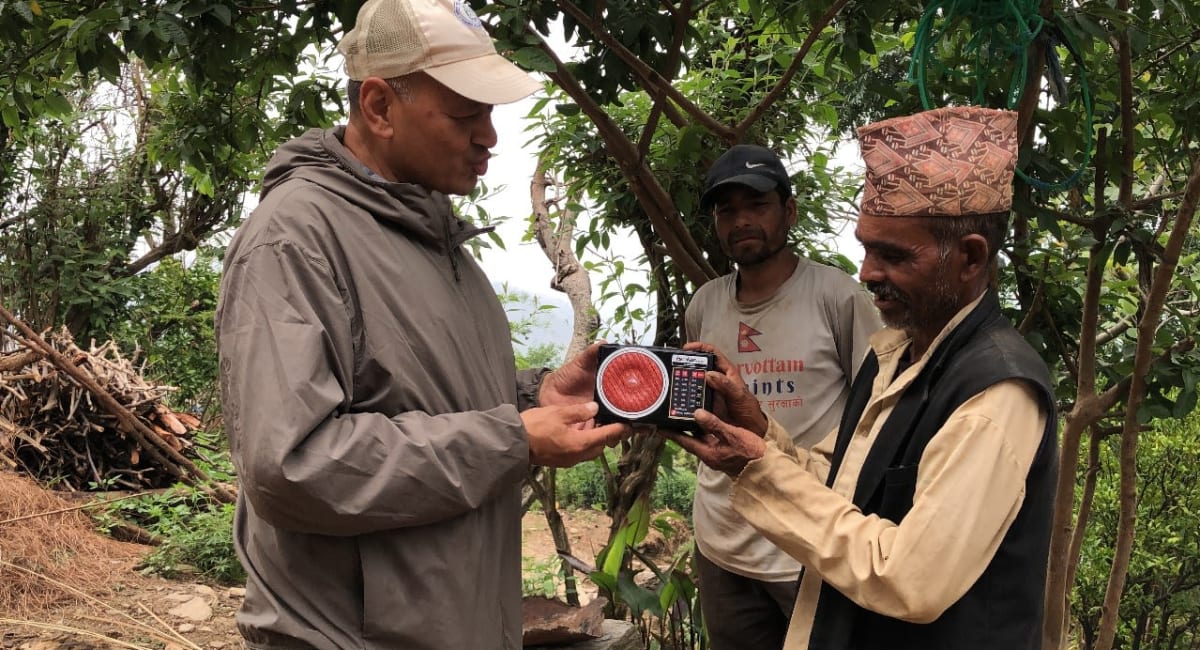
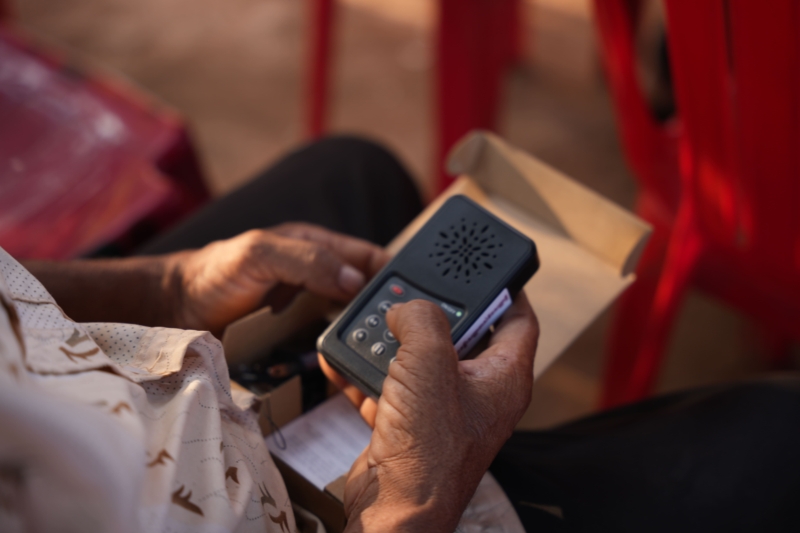
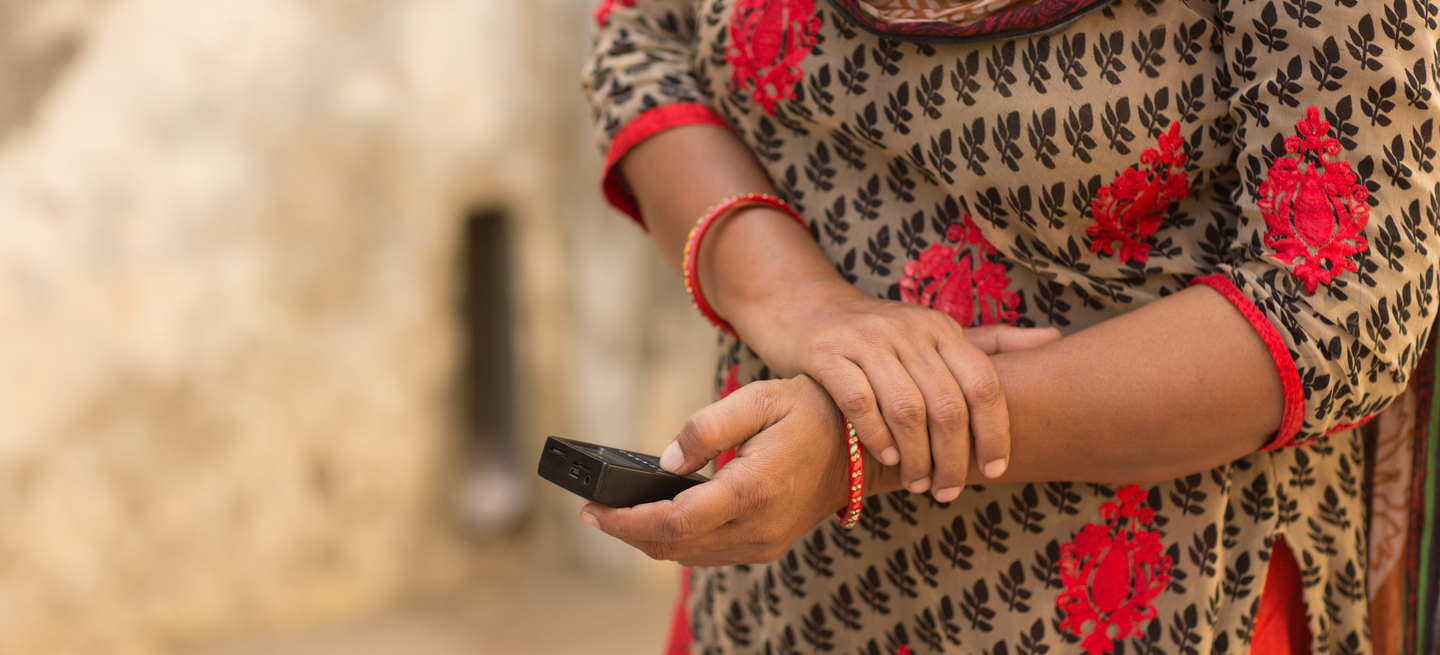
A close up of hands holding a small old fashioned square radio with an ariel and tuning dial.
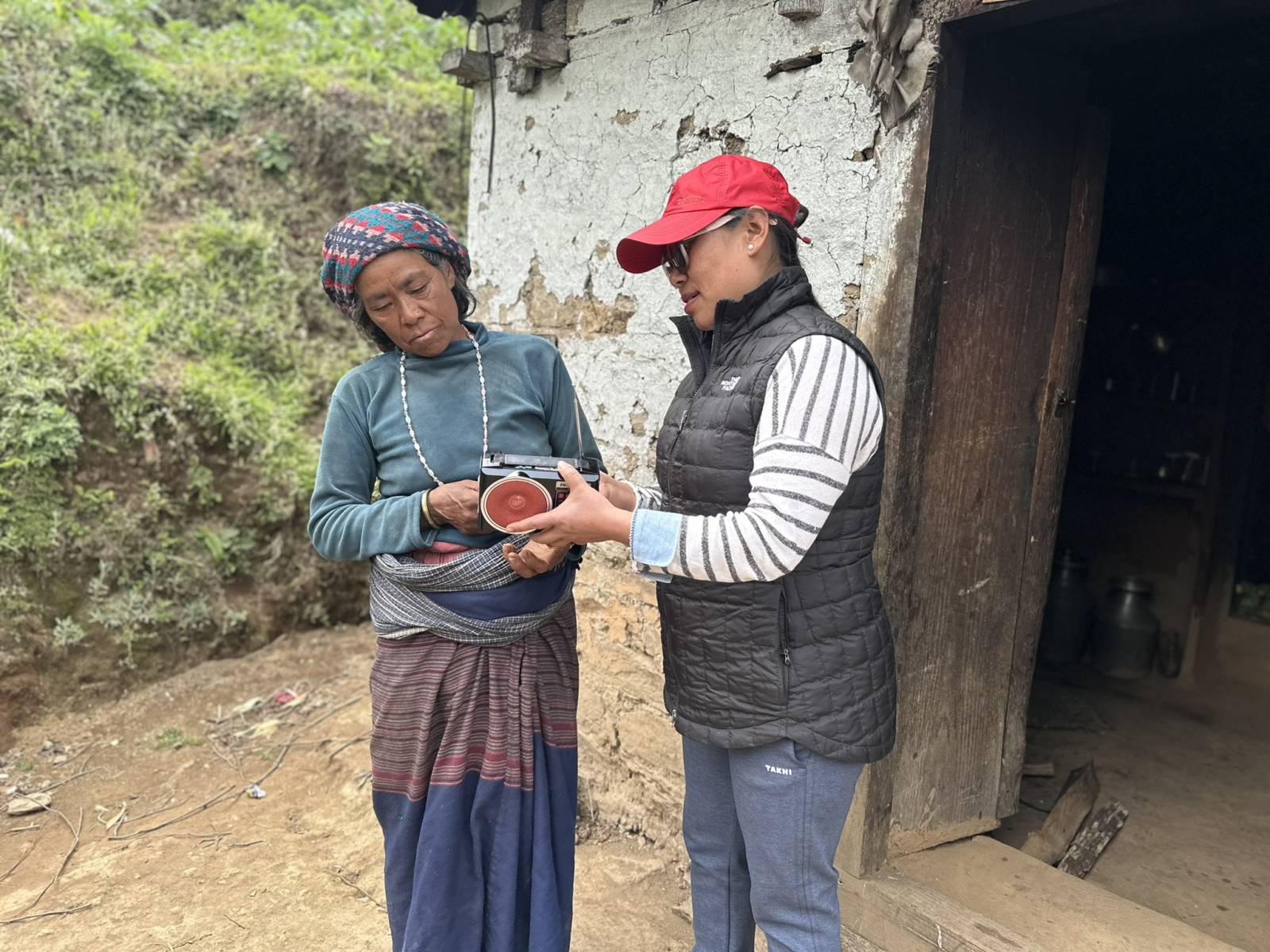
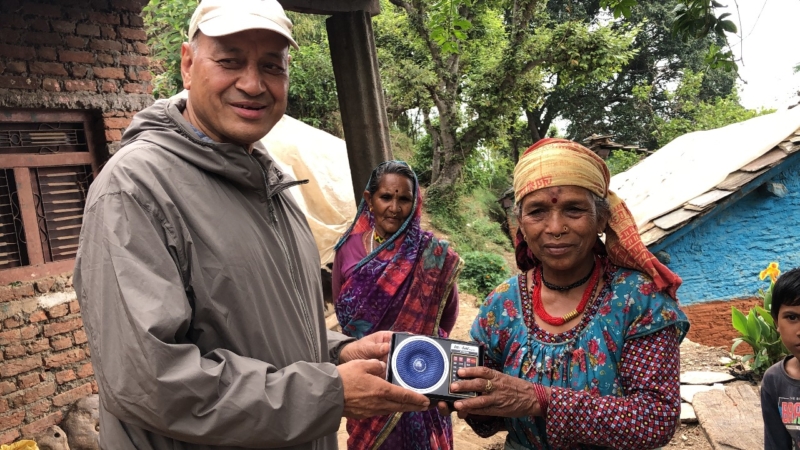
Binu, a member of the Afno FM team in Nepal, shows a female listener how to use a small black radio outside a simple, white house.
Project Name
Afno FM
Predominant religion
Hinduism
Broadcast languages
Nepali, Rai, Tamang, Magar, Sherpa, Doteli
Types of audio media
FM radio
Why it’s hard to reach
Geography, low literacy levels, persecution of Christians

What we’re doing in Nepal 

Afno FM is the radio wing of Human Development and Community Services (HDCS), a Christian NGO dedicated to improving lives through hospitals, clinics and community health. Broadcasting hope and practical support across Nepal, Afno FM operates five local radio stations in areas where HDCS is serving communities.

The programmes offer vital health information, encourage community connection, and share the Christian message through devotions, daily live call-in programmes, and Christian music programmes.

Jay’s story

Jay* lives in Nepal and has a physical disability. Through lack of accessibility, he has found it hard to find work and struggles to make ends meet. The financial hardship led his marriage to break down, leaving Jay feeling alone and hopeless.

However, when he came across Afno FM’s broadcasts things changed: “I can say that I am no longer alone. I found a true friend in the radio. Every morning, I hear the word of God. The messages have strengthened me and brought healing to my heart. Even though people left me, I have now learned that God never leaves me. This truth has filled my life with joy and hope once again.”

*Name changed for security reasons

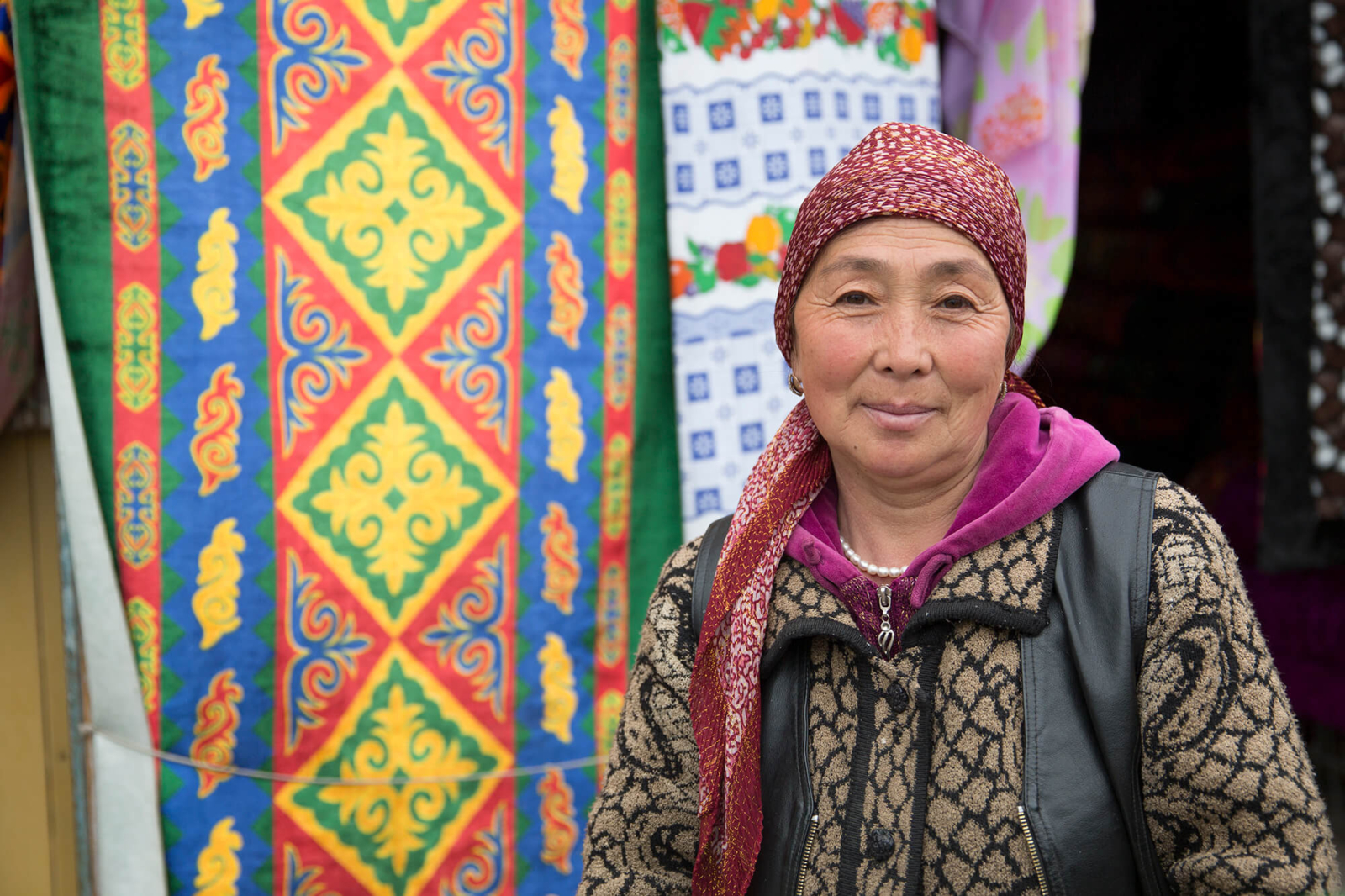
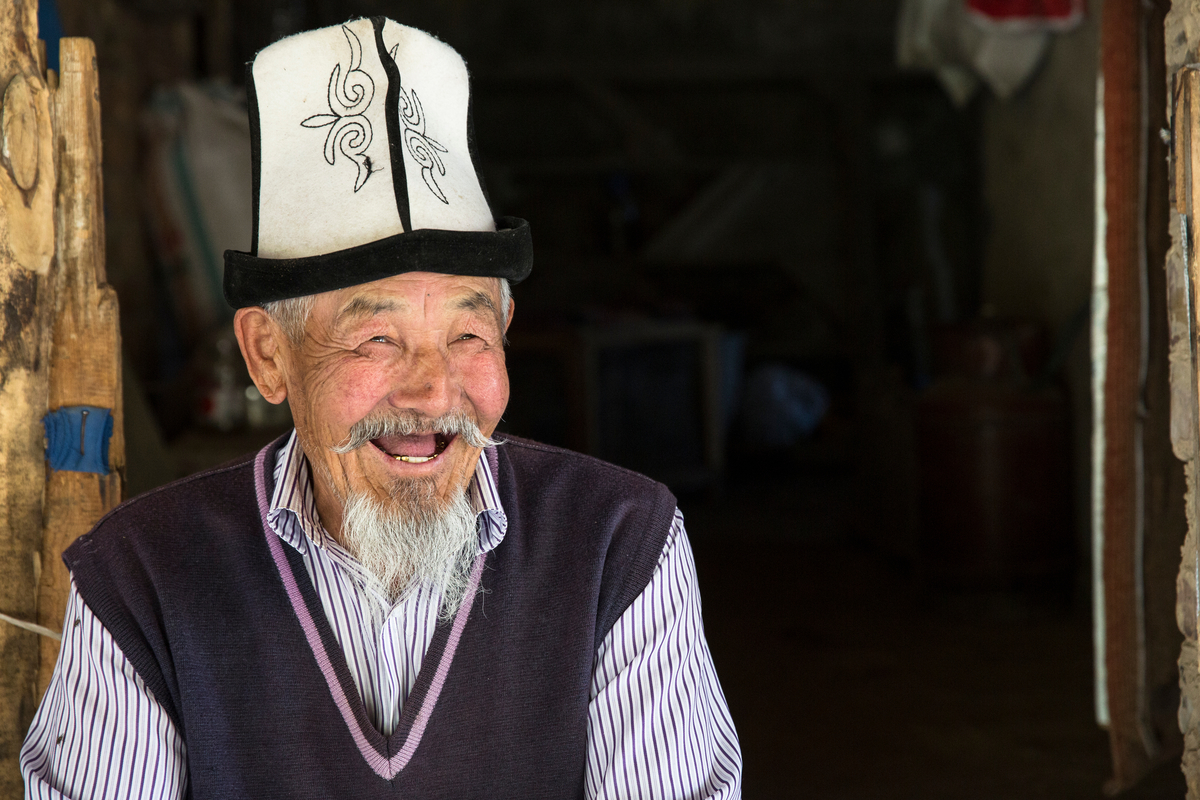
A woman wearing a red headscarf smiles with bright, colourful patterned matts hanging behind her in Kyrgyzstan.
Project Name
Kyrgyzstan Radio
Predominant religion
Islam
Broadcast languages
Kyrgyz, Russian
Types of audio media
FM radio, internet radio, social media, SD cards
Why it’s hard to reach
Muslim majority country, persecution of Christians, geography

What we’re doing in Kyrgyzstan

With 80% of the country covered in mountains, our partner in Kyrgyzstan broadcasts programmes 24/7 using a network of six FM stations throughout the country, the internet and social media to share the gospel with Kyrgyz people. Reaching around two thirds of the country, their programmes share God’s truth, encouraging listeners to take practical steps towards faith in Jesus.

The radio hosts follow-up with listeners and often travel out into the communities distributing audio devices, and updating content on SD Cards so remote communities can hear the gospel.

“We see how the Word of God can change a person’s life. Every time we hear stories of how one person’s destiny has changed thanks to our media ministry, we are overjoyed. It is like one lost sheep that has been found.”

Usman*, member of the Kyrgyzstan team

Kadyr’s story

Living alone, Kadyr* felt a deep sense of loneliness. To cope with his feelings, he turned to alcohol and the drinking quickly turned to addiction and wreaked havoc on his life. His relationship with his relatives broke down and he ended up  sleeping on the streets. One day, a member of the team stopped and talked to Kadyr. During the conversation they shared the links to their broadcast and website and in the coming days Kadyr began to listen to a programme called ‘Stories Within’. A month later he met the broadcaster again. Kadyr told them how a miracle had happened in his life and that he had begun attending a local church!

*Name changed for security reasons

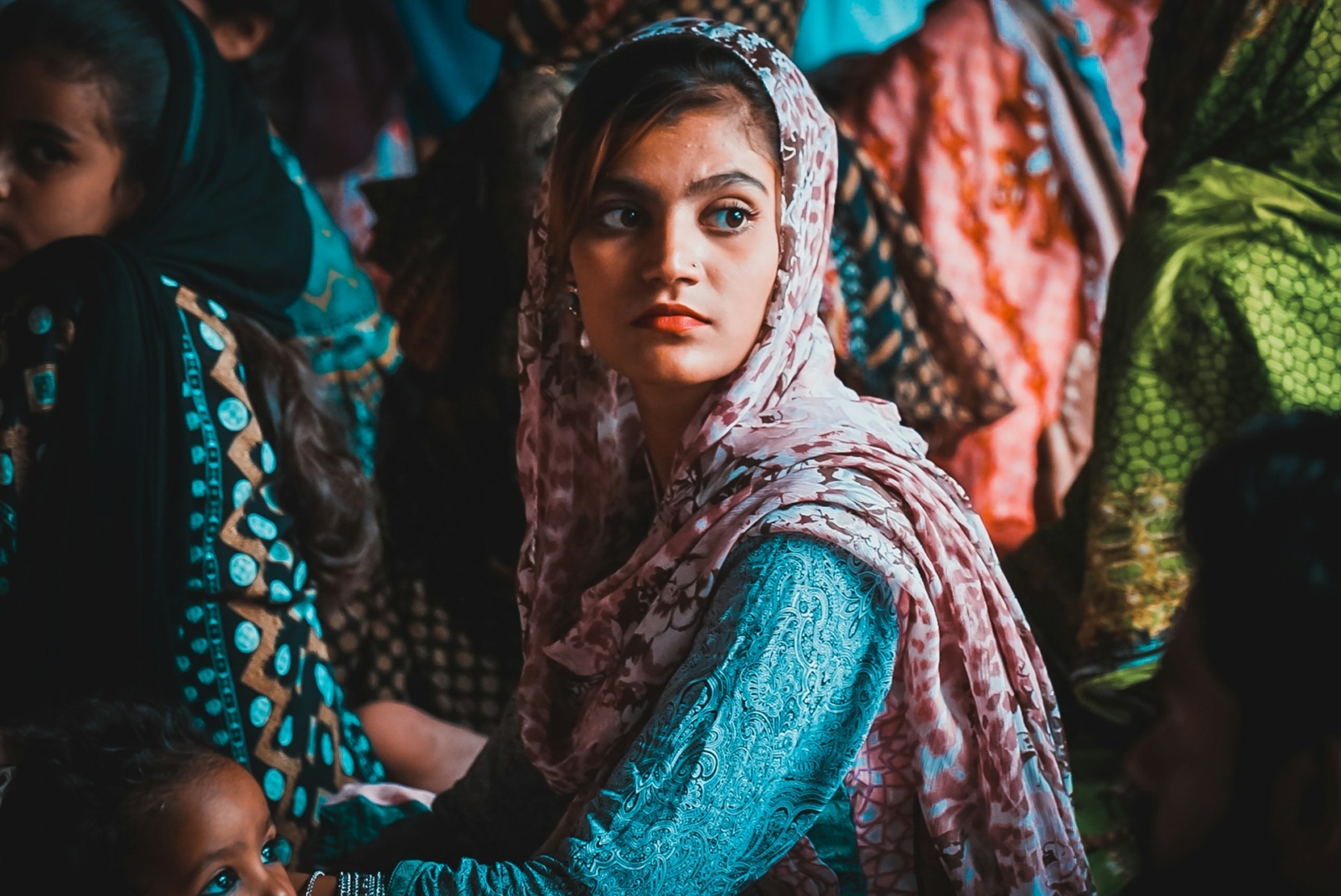
Pakistani woman in a pink head scarf and turquoise dress, sitting on the floor surrounded by other women in brightly coloured clothes.
Project Name
Feba Pakistan
Predominant religion
Sunni Islam
Broadcast languages
Urdu, Pashto
Types of audio media
FM
Why it’s hard to reach
Muslim majority country, persecution of Christians

What we’re doing in Pakistan

Many Christians in Pakistan face persecution, particularly if they have converted from Islam.  Blasphemy laws, which prohibit speech or actions that are derogatory to any religion, carry heavy punishments and regularly lead to false accusations and mob violence. In this sensitive and often hostile environment, radio is a powerful way to reach people with the gospel.

Our partner, Feba Pakistan, works with churches and Christian organisations to run community-centred radio stations across two Pakistani provinces. Broadcasts take place for one hour per week, produced and presented by local believers in both national and local languages. The programmes share Christian truths and also cover topics like health, emotional well-being, education, human rights, and social development.

“I’ve become a regular listener and haven’t missed a single episode in the last four years.”

Fahmi*, Feba Pakistan listener

Fahmi’s story

Fahmi, a doctor from the north of Pakistan got in touch with the Feba Pakistan team to share how listening to their programmes had impacted his life.

“The life of a doctor is very hectic and busy. We often don’t have the time to watch TV or movies. The one medium I consistently have access to be FM radio, which I’ve been listening to for the past 10 years.

Four years ago, I came across your programme Dhanak Rang (meaning rainbow). It truly inspired me, as it stood out from the typical entertainment-focused FM shows.”

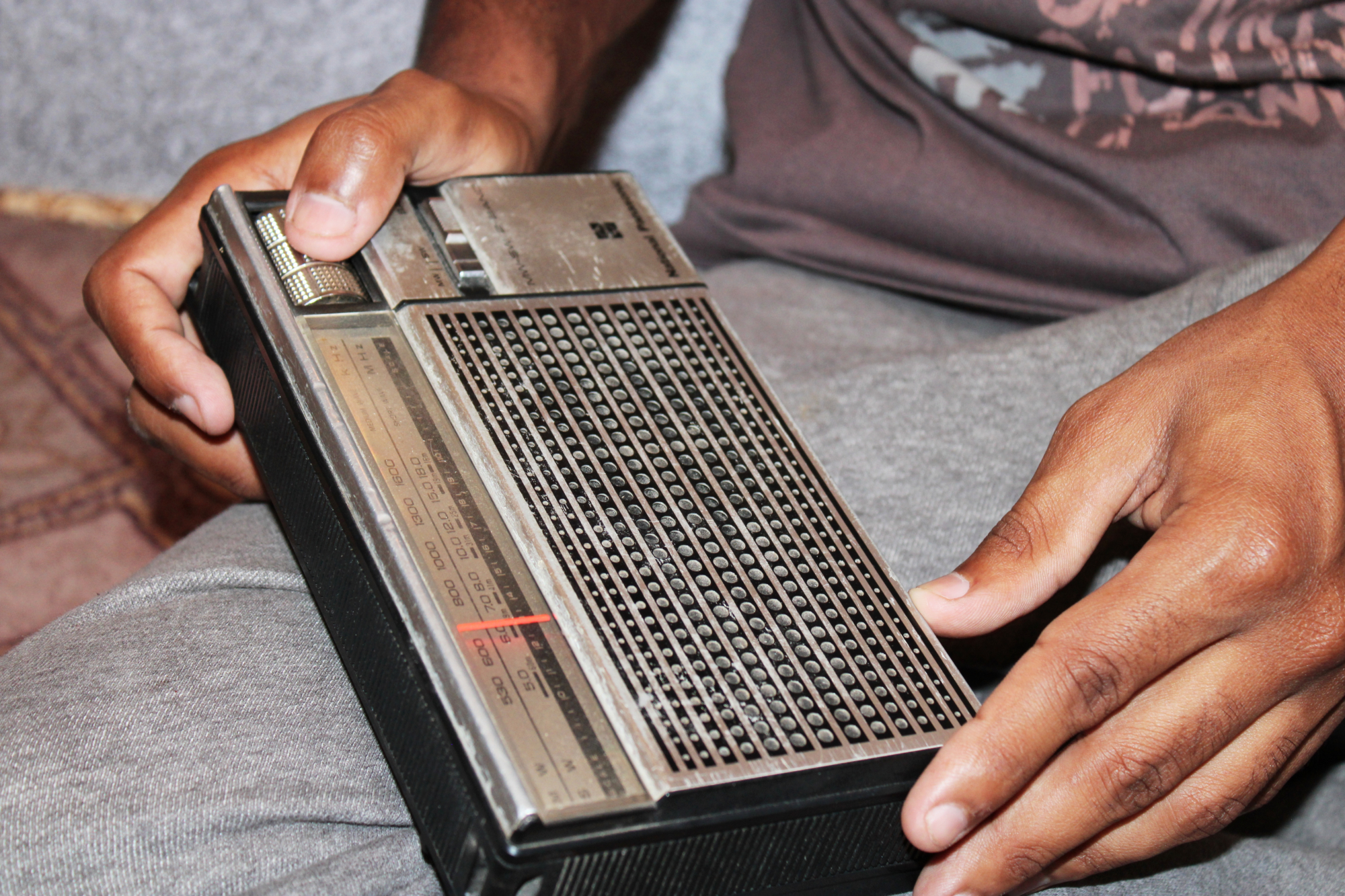
Close up of a man's hands holding a radio in Pakistan.
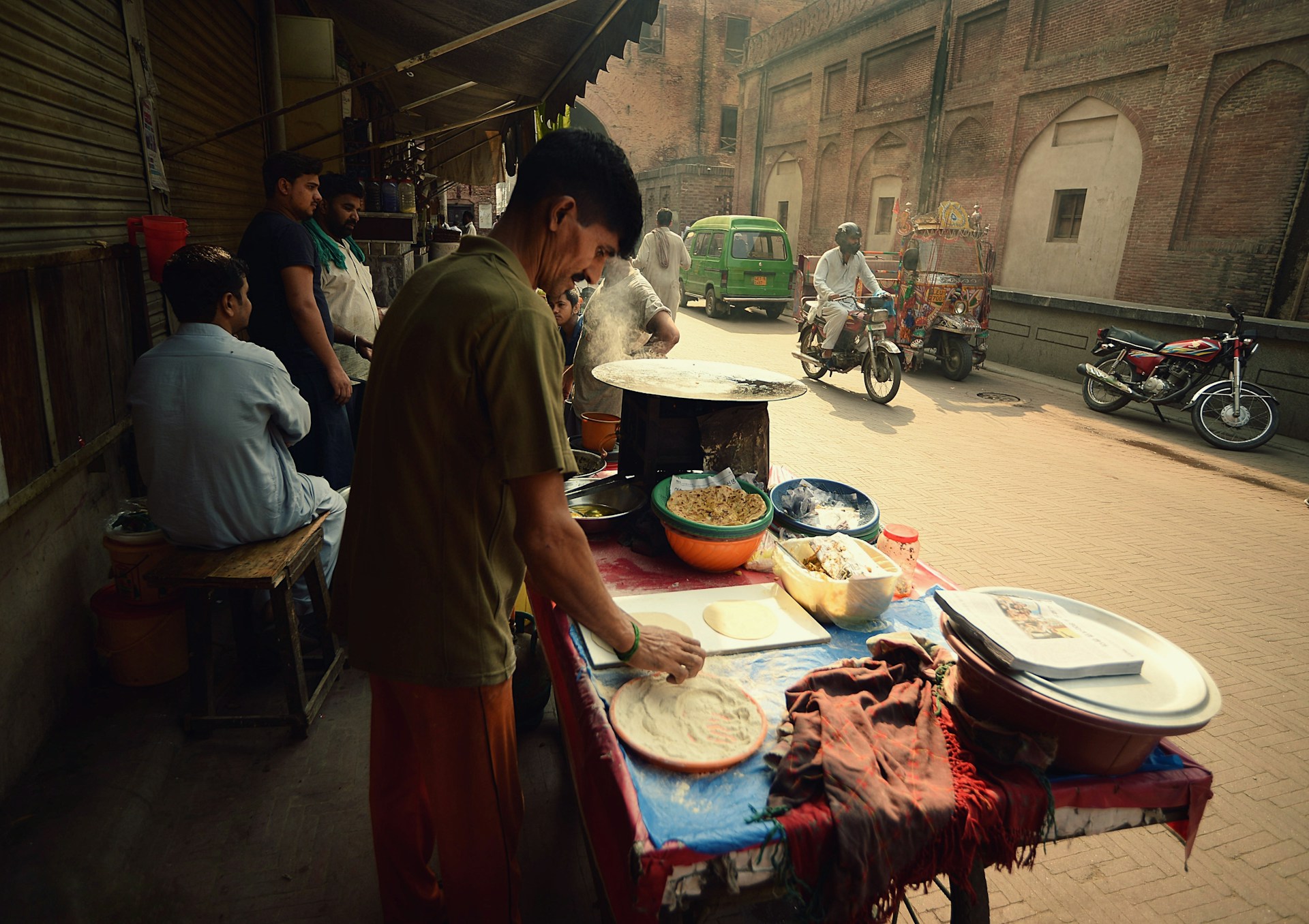
A man making chapati at a stall on a Pakistani street.

Fahmi continued: “Unlike others, it plays a unifying role—bringing people together from different faiths and backgrounds and helping them to break down barriers of religious extremism.

The programme consistently shares messages of love, peace, and harmony, which deeply resonate within me. I’ve become a regular listener and haven’t missed a single episode in the last four years. My whole family are also devoted listeners. We enjoy the programme together and often participate by sending SMS messages or making phone calls to share our thoughts and feedback.”

*Name changed for security reasons

Project Name
Gaweylon
Predominant religion
Buddhism
Broadcast languages
Tibetan
Types of audio media
Shortwave radio, YouTube and CDs
Why it’s hard to reach
Buddhist nation, lack of Christian resources in local language, lack of local believers, culture closed to outsiders

What we’re doing with Tibetans

After years of scrutiny, restrictions and persecution, many Tibetans have sought refuge in neighbouring countries. Due to the discrimination and marginalisation Tibetans face, many cling more tightly to their beliefs and religion, making sharing the gospel extremely challenging.

Gaweylon (meaning ‘good news’ in Tibetan) radio station aims to reach Tibetan Buddhists living in Tibet, India, Nepal, Bhutan and the rest of the world, with God’s message of love. Broadcasting three times a week in the Central Tibetan language on shortwave, the team share traditional music alongside health information and teaching on Christian values.

Norbu’s story

For the Gaweylon team, feedback is often very limited, and it is hard for them to know the full impact of their work. Each listener story and interaction is a precious encouragement.

Norbu* lives in a large Tibetan refugee camp in South India. He wrote to the team to say “I want to tell you that we are happily listening to the Gaweylon programmes on YouTube. The programs are very helpful for the Tibetan people. Please also send some of your literature.”

The team was able to post him a Tibetan New Testament, Christian booklets, and various health tracts.

*Name changed for security reasons

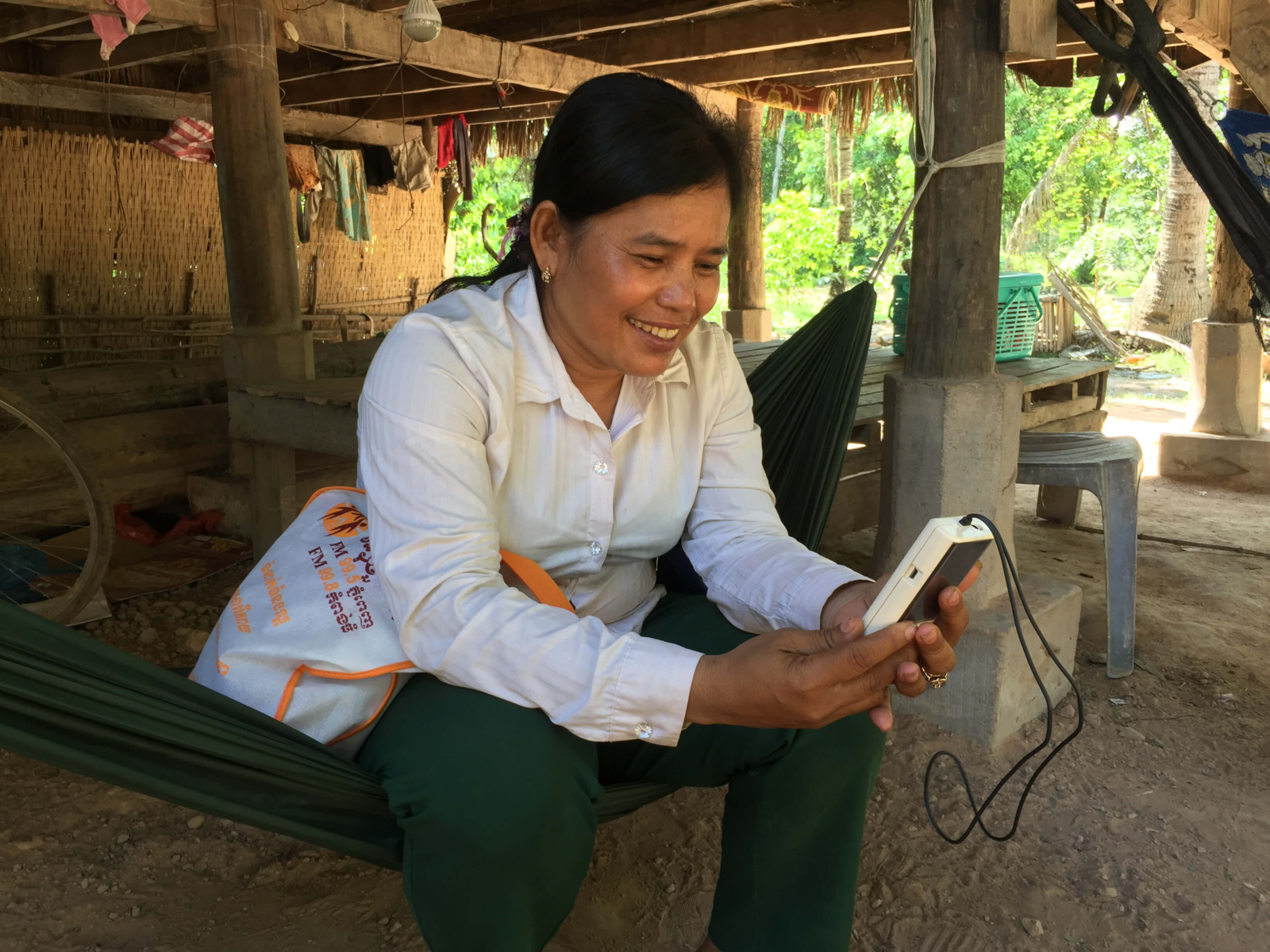
A female listener sitting on a hammock in a rural village in Cambodia. She is smiling as she holds and listens to a small white audio device.
Project Name
Khmer Audio Bible project
Predominant religion
Buddhism
Broadcast languages
Khmer
Types of audio media
FM radio, Internet radio, social media, Audio Bibles
Why it’s hard to reach
Buddhist nation, lack of access to Christian resources

What we’re doing in Cambodia

In Cambodia, years of civil war wrought devastation on society, shattering lives and communities. Internet and TV are still inaccessible for many people and those living in rural areas are often illiterate, but they can understand what they hear, on the radio and on other audio devices.

Feba UK supports their Khmer Audio Bible Project, which is making God’s word more accessible particularly for those who cannot read. The project is helping people grow spiritually through listening to daily audio Bible readings, whether at home, on the road, or during breaks at work.

Chaay’s story

“Thank you for bringing Bible audio boxes to our village. The messages in the audio box uplift my spirit. Listening each day has awakened a deep hunger in me to know God more. I want to learn about Him, walk with Him, and grow in faith. Every word draws me closer to God. This gift is a doorway to a new life.” Chaay*, Krusa FM listener, Cambodia

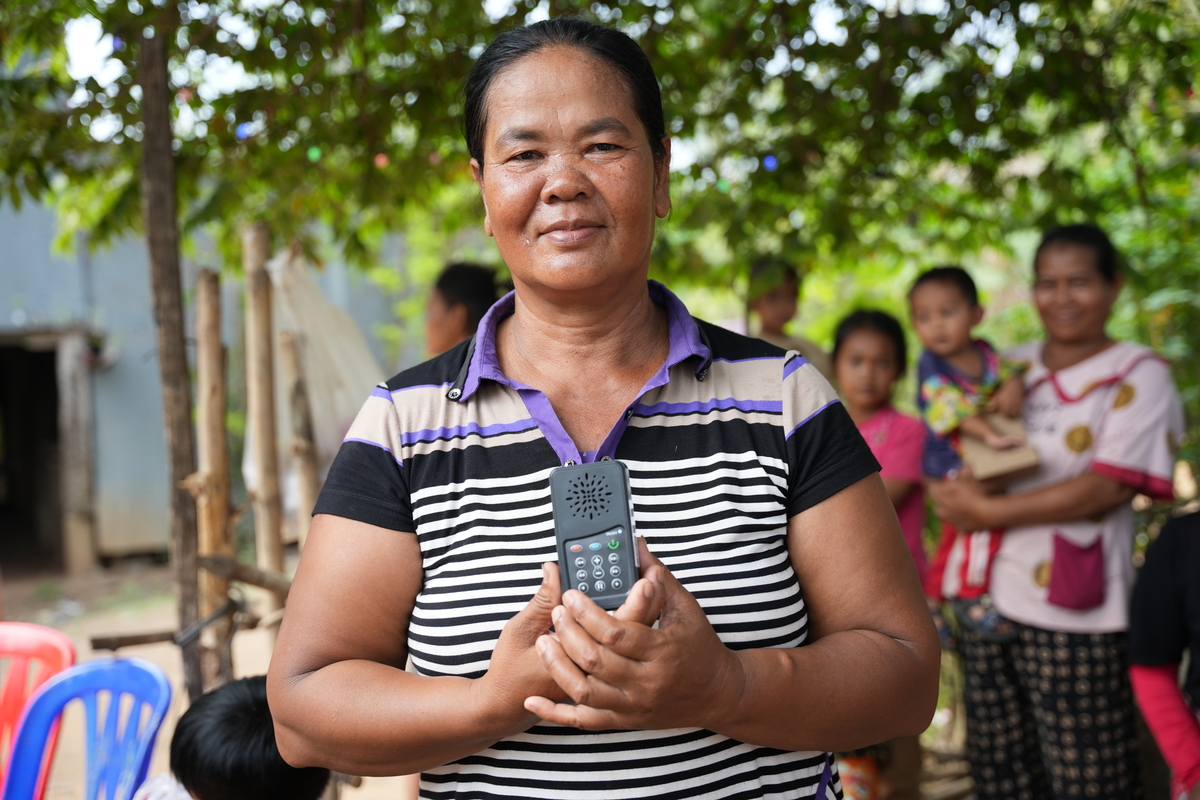
A smiling female listener holding a black portable audio Bible.
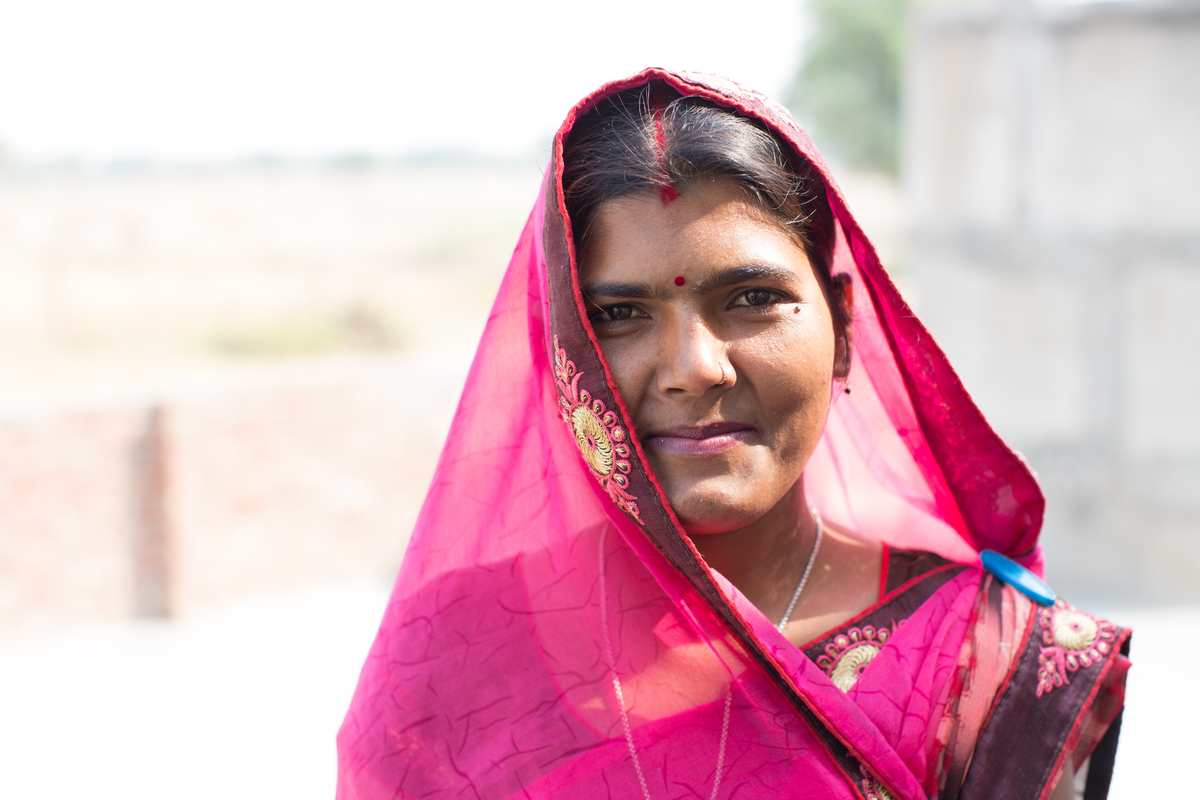
A portrait of a smiling young Indian woman wearing a beautiful pink sari.

What we’re doing in India 

India has seen a growth in Christian persecution with several states passing “anti-conversion” laws.  For many, Hinduism is seen as the true religion of India, with all other faiths seen as foreign – a form of religious nationalism.

We partner with three projects in India – Portable Life Changers (PLC), Women’s Initiative and The Youth project – reaching different audiences including marginalised communities, women, and young people living in rural areas.

Portable Life Changers 

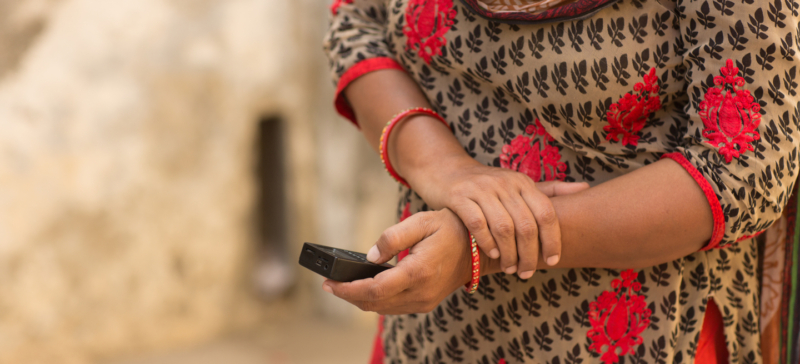
Reaching into places where people are suppressed and marginalised, and where there is little or no church presence, PLC is distributing speaker boxes – small, portable audio players. Their listeners include day-wagers (employees paid on a per-day basis), sex workers and others in similarly vulnerable situations.

The speaker boxes contain Bible-based content designed for group listening. Listeners are encouraged to form ‘listener hubs’, hearing and discussing the content together, building communities that are shaped by Kingdom values and discipling people into the Christian faith. Using creative content like dramatized readings of scripture, this ministry is inspiring people to become followers of Christ and helping them grow in faith. At present there are over 900 hubs.

Team members regularly visit the listener hubs to update the content on the speaker boxes and encourage listeners. Alongside these trips, there is ongoing connectivity through WhatsApp and phone calls, as well as larger group meetings.

Types of audio media
Speaker boxes
Broadcast languages
Bengali, Hindi, Punjabi

Women’s Initiative

Focusing on reaching and empowering women in the northern states of India, this project aims to create social and spiritual transformation. The team work with like-minded NGOs and churches to produce over 500 15-minute radio shows per year.

These productions are broadcast on seven local medium wave radio stations to inform, educate, entertain and engage with young women highlighting their God-given value and rights. The programmes include gospel content and cover topics including women becoming agents of change in their community, valuing female children and human trafficking prevention. Alongside the broadcasts the team also do follow-up work with listeners through messaging apps and group listener meetings where deeper conversations happen.


Types of audio media
Medium wave radio, messenger apps
Broadcast languages
Haryanvi, Bengali, Hindi

Youth Project

The Youth Project seeks to reach people between the ages of 15-35 living in rural areas. The team produce programmes at grassroots level, tailored to the languages of their listeners. Through these broadcasts, local Christians share the life-changing message of Jesus, inspiring listeners to make positive changes in their lives.

There are five 30-minute broadcasts per week on shortwave and two 30-minute broadcasts per week on medium wave.  They cover multiple topics including health issues, rights and responsibilities and sustainable livelihoods and how churches can respond to the needs of the communities.

Alongside the broadcasts the Youth Project team follows up with listeners through individual conversations on messaging apps and group listener meetings. They also hold online Bible study groups to help listeners deepen their understanding of God’s word.

Types of audio media
Shortwave and medium wave radio
Broadcast languages
Hindi

Ianya’s story

Like many women living in rural India, Ianya* didn’t have the opportunity to go to school. With no formal education, she couldn’t read or access the word of God. That was until she was given a speaker box – a small audio device which plays Biblical content – by the PLC team.

Ianya would spend hours listening to the stories and teachings of Jesus while she worked in the fields near her home. Moved by what she was learning, she began sharing the audio messages with her husband. A few months later, with support from the PLC team, Ianya and her husband both gave their lives to Christ and were baptised!

*Name changed for security reasons

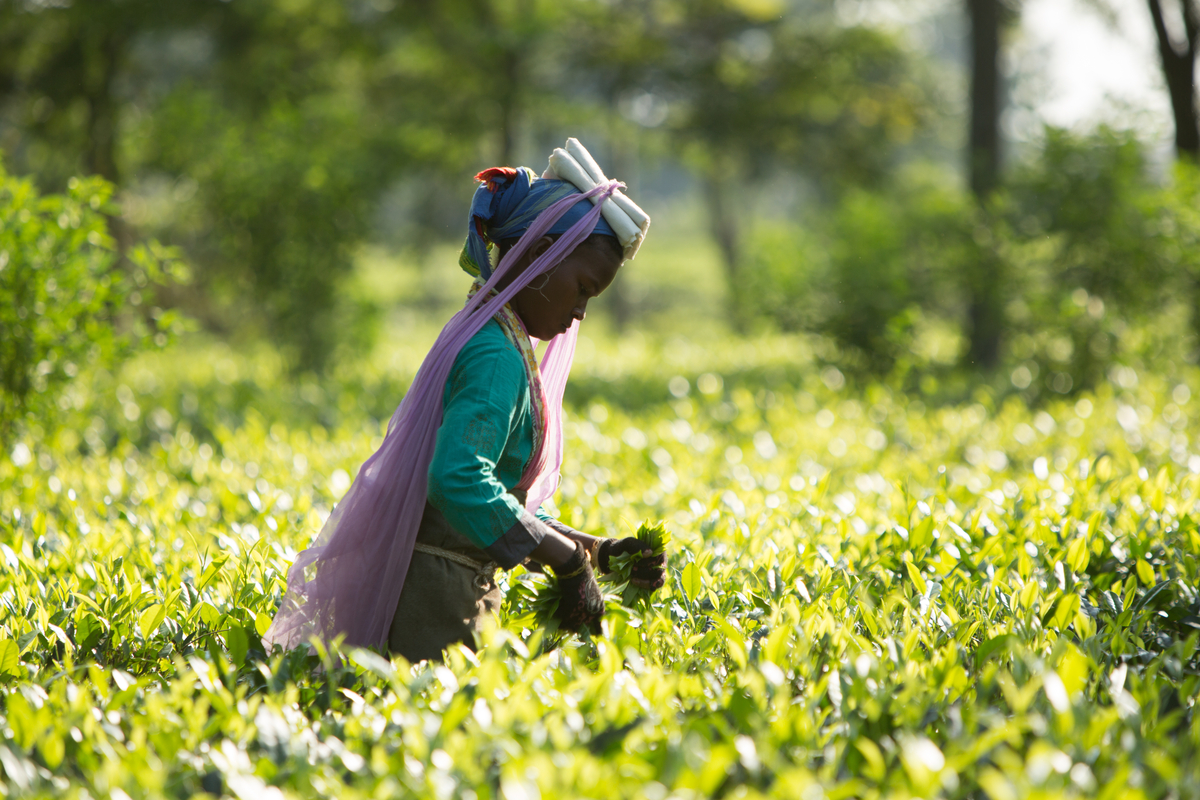
A young woman picking leaves in a field in India.
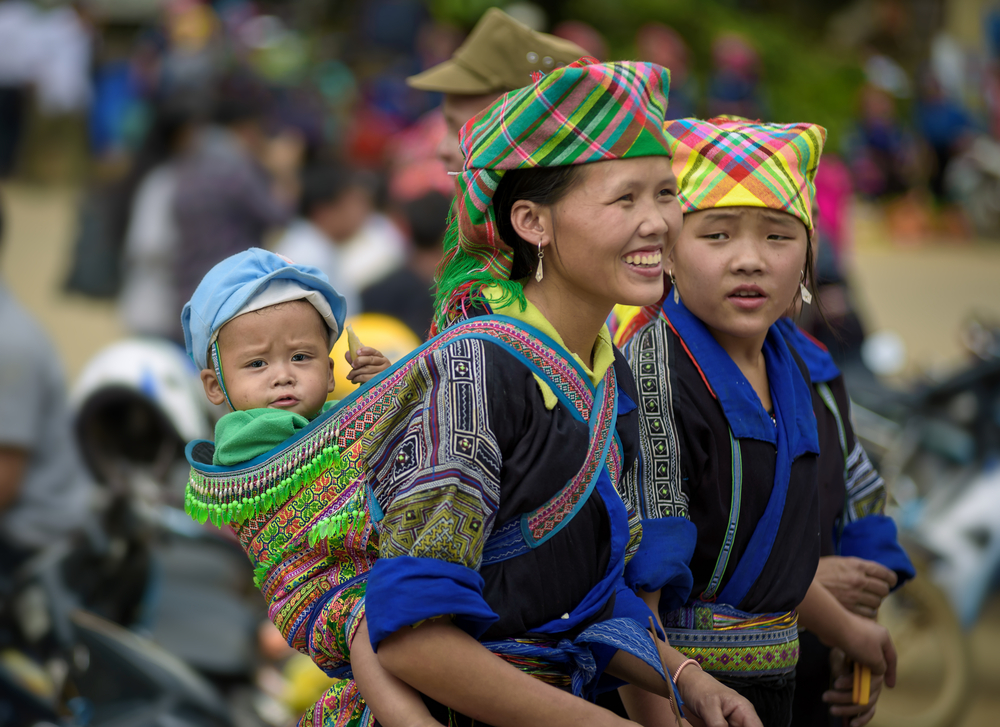
Two young Vietnamese woman in traditional dress. One has a young baby on her back.
Project Name
Vietnam Audio Bible
Predominant religion
Buddhism, Vietnamese folk religion, atheism
Broadcast languages
Vietnamese and 53 minority languages
Types of audio media
Audio Bibles
Why it’s hard to reach
Lack of local believers, restrictions on religious freedom

What we’re doing in Vietnam

Vietnam is one of the few communist nations in the world. The government exercises strict control over various aspects of life, including religious freedom and freedom of speech, making it especially challenging to share the gospel.  A controversial cybersecurity law, enacted in 2019, has been used to censor faith content, remove gospel websites, and restrict the church’s digital presence. Chip-based identification cards, which track citizens’ movements and transactions mean citizens are under high levels of surveillance.

Vietnam has a population of 100 million. It is a primarily Buddhist country with 2% being evangelical Christians.


Into this challenging landscape, this project is providing access to the Bible for ethnic minority people groups in Vietnam who learn orally, have limited literacy and often do not have access to the scriptures in their heart languages. It particularly focuses on the Central Highlands and other remote regions, such as the Hmong, Ede, Jarai, and other indigenous groups. Many of these groups live in remote, politically sensitive areas where digital censorship and security measures severely limit gospel access.

The long-term vision is that by 2033, every people group in Vietnam (approximately 54 ethnic groups) will have access to an audio New Testament in their own language.

Global impact

Where we work

Learn more about our work in:

Help us reach the unreached