In a world where technology is constantly evolving, why do we still celebrate World Radio Day?

I don’t know what comes to mind when you think about radio. Maybe it’s listening to your favourite station on car journeys or having the hum of music and chat on in the background as you make dinner.

With the internet and all its multimedia content just a tap away, for some, radio might seem like an outdated or dying medium. With an estimated 3.4 billion (of the 8 billion on Earth)[1] yet to hear the gospel in any meaningful way, is radio still a good way to reach people?

The answer is yes! Each year on the13th of February, UNESCO marks World Radio Day because, in its words, ‘radio remains the medium that reaches the widest audience worldwide, in the quickest time possible’.

At Feba, we are passionate about using radio and other audio media to reach people with the gospel. Here are a few reasons why:

Radio is inclusive

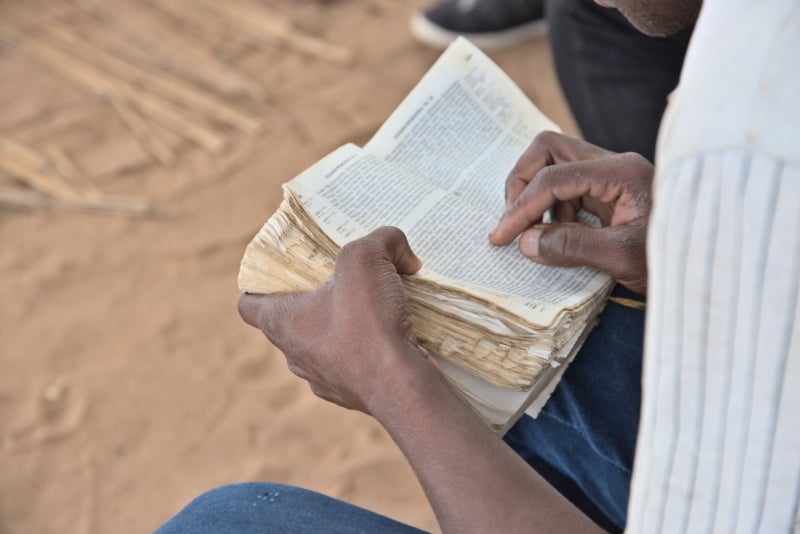
There are over 700 million adults globally who can’t read or write[2]. In 2023 the World Health Organization shared that 2.2 billion people globally are visually impaired[3]. For many people and cultures around the world, oral information is the primary way of communicating.

I would like to thank the radio programme Bishram Yasuma [Rest in Jesus]. I have found peace when I listened. Radio is powerful to us as it gives all kinds of information. 

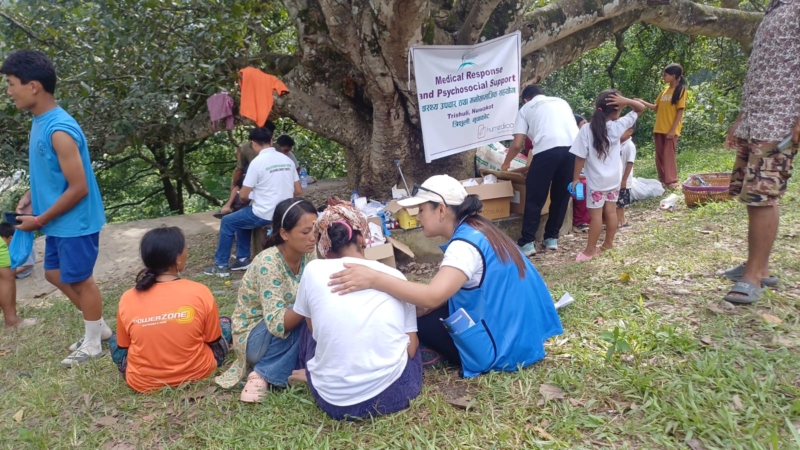
Radio and other audio media allow information to be heard by those can’t access written content. In Nepal, a listener to our partner’s radio station, Afno FM, shared the impact that radio has had in his life.

"My name is Ishan*. I am 28 years old and I am low vision person. While I was listing to Afno FM, I got the telephone number. I was scared to call as I did not know anything. But when I called to Afno FM, I got such polite answers. I would like to thank the radio programme Bishram Yasuma [Rest in Jesus]. I have found peace when I listened. This radio programme gave me the opportunities to learn many things. Thanks to Afno FM for the programmes on disability and devotional programmes. Radio is powerful to us as it gives all kinds of information."

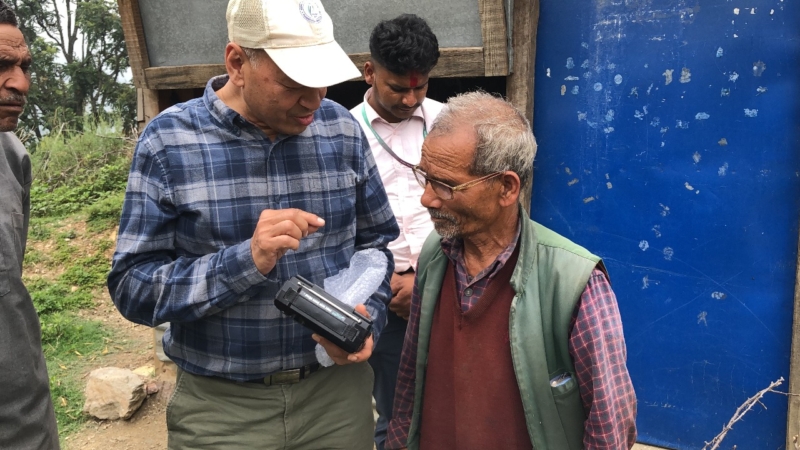
Kevin (far left), Feba's Chief Executive Officer, visiting a listener's home in Nepal

At Feba, the inclusivity of radio goes even deeper as our local partners broadcast to listeners in their heart languages. This gives those tuning in the chance to hear the gospel, sometimes for the first time, in a dialect they understand and connect with. What a powerful tool!

Radio can bypass barriers  

We may not be able to imagine daily life without the internet, however one third of the world doesn’t have internet access[4], rising to half the world in rural areas[5]. On top of this, even when there is internet access, people can still be restricted. Freedom House’s 2024 report on internet freedom shared the sobering statistic that global internet freedom has declined for the 14th consecutive year[6], meaning many people around the world can’t access digital spaces, or those that can, face limits on content they can view, as well as facing repercussions as severe as imprisonment for online speech and expression.

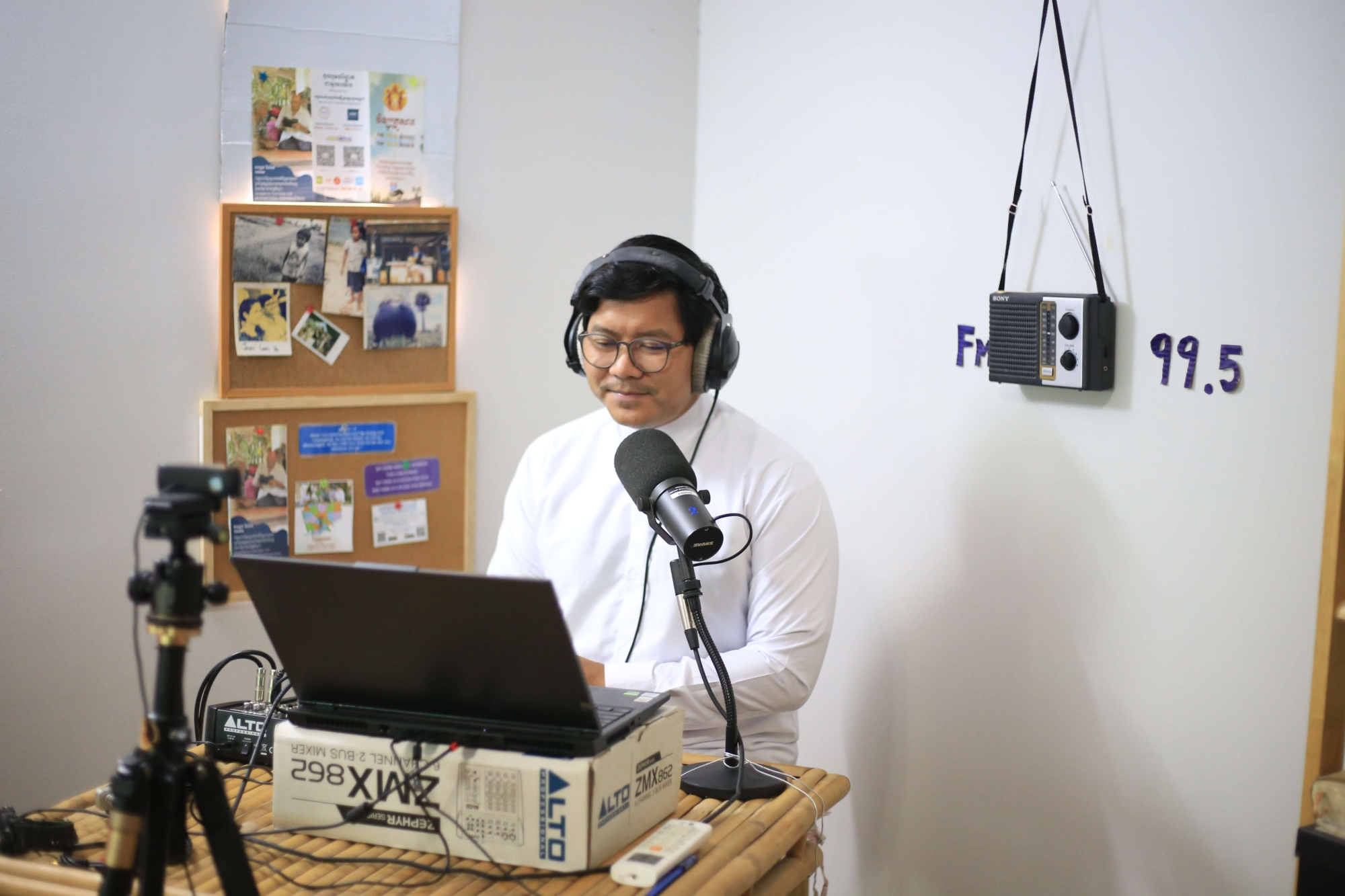
Some of the Afno FM team in Nepal, recording an evening news broadcast 

One of the counties that has seen the steepest decline in internet freedom is Kyrgyzstan[7], where a Feba partner works. The government has also recently implemented new laws restricting religious freedom, making it challenging to share the gospel through traditional means. In this, and many other contexts, radio is a creative and accessible way for people to learn about Jesus and have the chance to accept Him as their Saviour.

Radio can reach people

Of the 50 largest unreached people groups (each with over 12 million people), 46 are in countries described as sensitive[8]. Radio and audio media continue to be a wonderful way to reach these people.

Many unreached people also live in countries or contexts where it is very hard to physically reach them, or the unreached population is so big that workers in-country could only impact a tiny percentage of those who need to hear. In Kyrgyzstan the mountainous landscape and internet restrictions make it hard to share the good news. Our partner explains how radio can make reaching people possible.

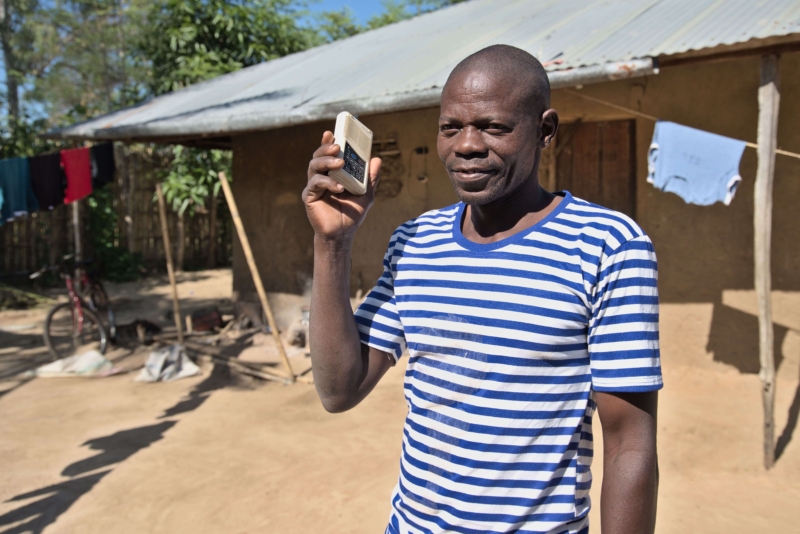
The solar radios we provide are a great opportunity to share the good news with people, especially with people who live in remote mountainous regions. Every time we hear stories of how one person's destiny has changed thanks to our media ministry, we are overjoyed. It is like one lost sheep that has been found. 

A listener in Kyrgyzstan receiving a solar radio 

While the world changes rapidly – while wars and pandemics occur, political regimes evolve and flex their power in new ways – radio offers a wonderfully flexible means of outreach; often, it can bypass lockdowns, visa issues and war zones to still reach those thirsty for the good news. God is still powerfully using radio to reach people, and that’s an excellent reason to celebrate on World Radio Day.

If you want to find out more about how our partners are using radio and other audio media to make Jesus know, why not sign up for our monthly Prayer Focus resource below.

Sign up to pray with Feba


*Name changed for security reasons

References 

[1] TWR, TWR309 LWorld 0622, 2024

[3] World Health Organisation, Blindness and vision impairment, Aug 2023

[4] Internet Society Pulse, One third of the global population remains offline, Dec 2023

[6] Freedom House, The Struggle for Trust Online, 2024

[7] Freedom House, The Struggle for Trust Online, 2024

[8] The Joshua Project, Has everyone heard, date unknown